
The last Canadian census was taken in 2021, and it revealed that there were 9,545 Centenarians in Canada. That number had grown from 1971, when there was only 1,065 Canadians that were 100 years or older. Of the current number of centenarians, 7,715 of them are women.
All of the information points to the fact that all over the world, women live longer than men. Historically men worked themselves into an early grave. They put extra stress on their bodies by working in a mine or ploughing the land with horses. Currently, more men have sedentary jobs, but it doesn't seem to change the result that women continue to have longer lives than men.
.jpg)

A fun fact comes from Sweden which has the best historic records. In 1800, the life span for women was 33 years and 31 for men. Today it is 83.5 years for women and 79.5 for men.

Hormones play a big role in aging. It is believed that testosterone will make the male body stronger in the short-term. But, in the long-term it will leave them open to heart disease, infections, and cancer later in life. Whereas women's sex hormone, estrogen is an antioxidant. This means it cleans up poisonous chemicals that cause cell stress. A woman's heart rate increases during the menstrual cycle, which is believed to be similar to moderate exercise. The result is delayed risk of cardiovascular disease later in life. It is a fact people without testicles live longer.
Lastly, size may be a factor in aging. Taller people have more cells in their bodies, meaning they are more likely to develop harmful mutations. Bigger bodies also burn more energy which creates wear and tear in time.
I read a very interesting chapter in my aging book and there are several points that I want to share. No woman can escape menopause, which is a reminder to women they are aging and makes them more realistic about the process. Whereas men at the same age feel very few changes. Women deal with aging with humor. We all talk and laugh about the closet full of clothes that don't fit, hair growing where it doesn't require hair and you are free to insert your own little humorous issue. Men on the other hand, prefer more serious data and hard facts, something they can develop into a spread sheet or track in another way.


When faced with an increase in blood pressure or cholesterol, men are more in denial than women. Once men do accept the blood work results are theirs, and there hasn't been a mistake, they take on the problem as one that needs to be solved.
Men focus on their career longer than women. A career does provide a purpose for both sexes, but men tend to work longer than women. Women once retired will branch out into community and volunteer work. Women also form support groups such as a book or gardening group. It provides a forum for discussion on age-related issues and problems.
The biggest loss with aging is the loss of identity. As we go through life many opportunities and fresh chances are always there. We can develop an identity from those opportunities and grow in a career and as a person. Once we go over the top of the hill so to speak, those opportunities aren't presented the same, and it requires us to search for our own way of finding our identity.

Aging can be a time of more worry, simply because there are more people in our lives to worry about. There is always worries over health, money and security. Just sorting through the paperwork and maintenance in a senior life mount as the years go on. We all have to build a team: good doctor, good financial advisor, good mechanic, good hairdresser, and the list goes on.

People who do well with their aging do well with their surroundings. They are curious about things in their lives and talk about them with enthusiasm and energy. They are engaged in their lives. People who don't do well with aging shrink into a smaller world, one that is individual and personal. If they have an illness or injury, they dwell on it. If they have a problem, they worry it to death and talk about nothing else. They lack curiosity about the world around them.

Extraordinary Elderly, they have beaten the odds against aging. Although in their 80s or 90s their state of mind is eternally young. They have an incredible curiosity and enthusiasm about life. They are not afraid of dying, other than it might interrupt the great life they are living. We can all identify people in our lives that would be a extraordinary elderly, they are so inspiring.

I remember once upon a time that I thought all seniors ended up in a facility at the end of their lives. The 2021 census, states that, of the almost 5 million seniors aged 65 and older, only 7.1% live in a care home such as a nursing home, chronic care or long-term care hospitals. The data shows that although most seniors are living in their own homes, only 30% of seniors aged 85 and over live in special care facilities.
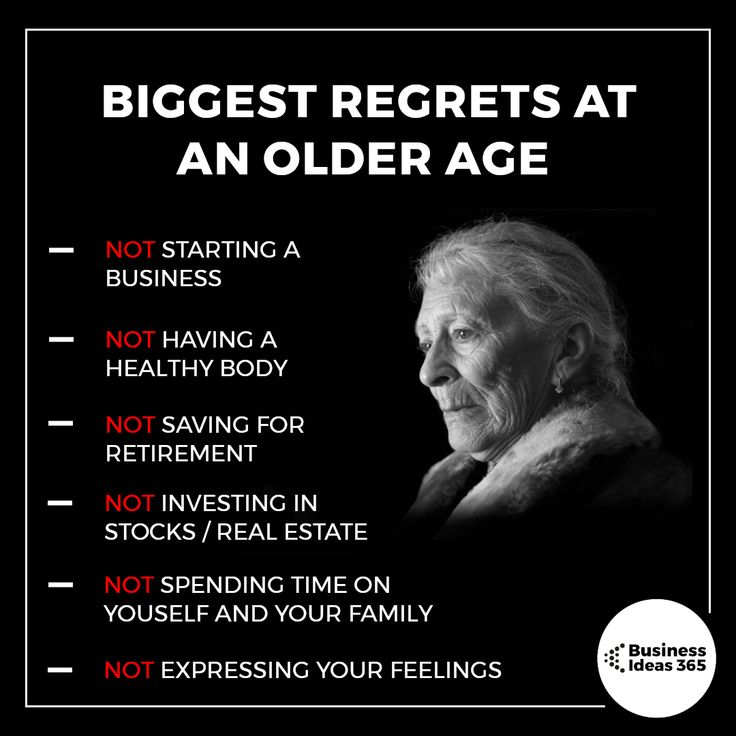
Now that I have filled your head with what I think are some fascinating facts about aging, it will give you some thoughts about your own aging. I am pretty happy that I did all of the things listed in the quote, not saying I did them well, but I did them. I hope you are content with your aging process, no matter what age you are. Free yourself of regret and worry, so you can live a long and happy life, everyone deserves that.


Comments
Post a Comment